1. Safety talk
The team explains how to avoid sticks, what to do if someone is exposed and who should stay out of the area.
McPherson, KS · McPherson County
Needles near a play area, a business entrance or a rental in McPherson are a risk until they are gone. Call (877) 812-4220 for pickup, containment and disposal as regulated medical waste.
If anyone is in danger, call 911 first. For a suicide crisis, call or text 988.
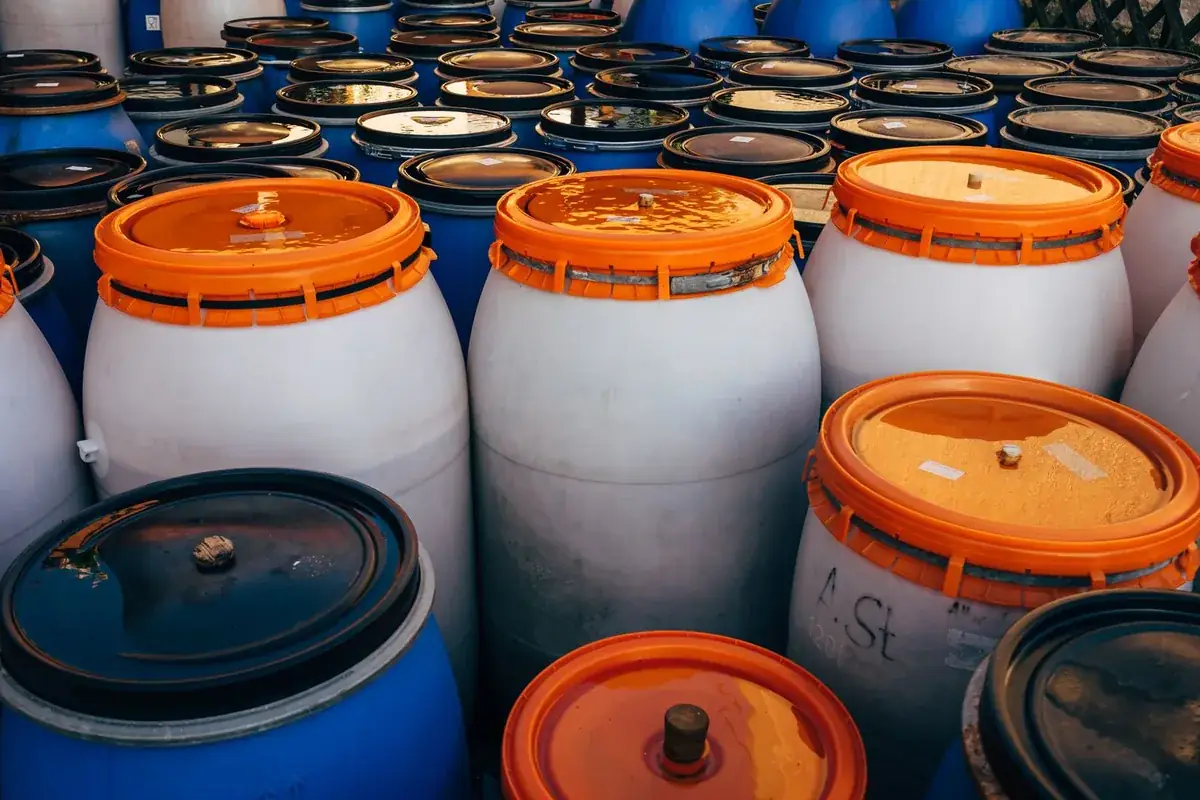
Needle and syringe pickup is a form of biohazard cleanup aimed at sharps. Protective equipment, special containers and proper disposal are part of every job.
For sharps jobs of every size in McPherson, from one syringe in your yard to a vacant building in McPherson County that needs a thorough sweep, you can get biohazard cleanup crews by calling McPherson Biohazard Cleanup Help.
The vacancy rate in McPherson County is only about 8%, so most needle calls come from occupied homes, rentals, yards and businesses. A stick, cut or splash should be checked by a doctor without delay. Mcpherson Hospital in Mcpherson serves people in and around McPherson.
What needle & sharps cleanup covers:
The team explains how to avoid sticks, what to do if someone is exposed and who should stay out of the area.
Crews put on protective gear and search the whole area, including corners, drawers and under furniture.
Everything is hauled off as regulated waste. Nothing is thrown out with household trash.
Hard surfaces are cleaned with EPA-registered products. Soaked fabrics may be removed and bagged.
The cost of needle & sharps cleanup in McPherson, KS depends on the amount of material, how it is packed and how it is hauled.
The size of the area is a major factor. A small patch of yard takes less time to search than a multi-room unit, a vacant building or a large lot.
| Type of job | Typical range |
|---|
Estimates only, not a quote. Sources: . Price drivers include number of items, where they are found, whether a sweep of a large area is needed, waste disposal. Call (877) 812-4220 to talk through the job.
It is a rigid, puncture-resistant box with a locking lid, made to hold needles, syringes, lancets and blades. Cleanup teams use them to seal sharps for transport. Containers should not be overfilled or opened again once locked.
The crew cleans and disinfects surfaces where sharps lay, bags soiled items for disposal and checks the area again. If odor or residue is present, the team can address it or suggest the next step.
They can be tucked into couch cushions, mattress seams, drawers, vents and ceiling tiles. That is why a sharps sweep covers more than the floor. Crews check hidden spots with tools and light before declaring a room clear.
Loose needles should not go in household trash, because they can stab sanitation workers. Rules for small amounts of household sharps vary by city and county. The local health department can say what is allowed, and a cleanup team can take larger amounts.
Yes. Dogs and cats may sniff, chew or step on sharps. Keep pets away from the area until a cleanup team has searched it. If a pet is stuck or swallowed something, call a veterinarian right away.
A used needle can carry bloodborne pathogens such as hepatitis B, hepatitis C and HIV. The chance of infection from one stick depends on many things, and a doctor can explain what applies. Get medical care promptly after any stick or cut.
A full sweep finds the needles you can see and the ones you cannot.
Call (877) 812-4220